

The goal of a rebrand or refresh is not change for the sake of it, but clarity. It focuses on refining how a business presents itself, communicates its value and stands apart in its market. This can involve updating visual elements such as logos, colour palettes and typography, refining messaging and tone of voice, or reworking how the brand shows up across digital and physical touchpoints.
A rebrand or brand refresh helps businesses realign their identity with where they’re heading, not where they’ve been. As businesses evolve, their brand often lags behind, creating a disconnect between perception and reality. This work is about closing that gap and ensuring the brand accurately reflects the direction, ambition and maturity of the business today.
This service forms part of our Brand & Logo Design offering, supporting brands through change with clarity and confidence, while protecting recognition and ensuring continuity rather than disruption.
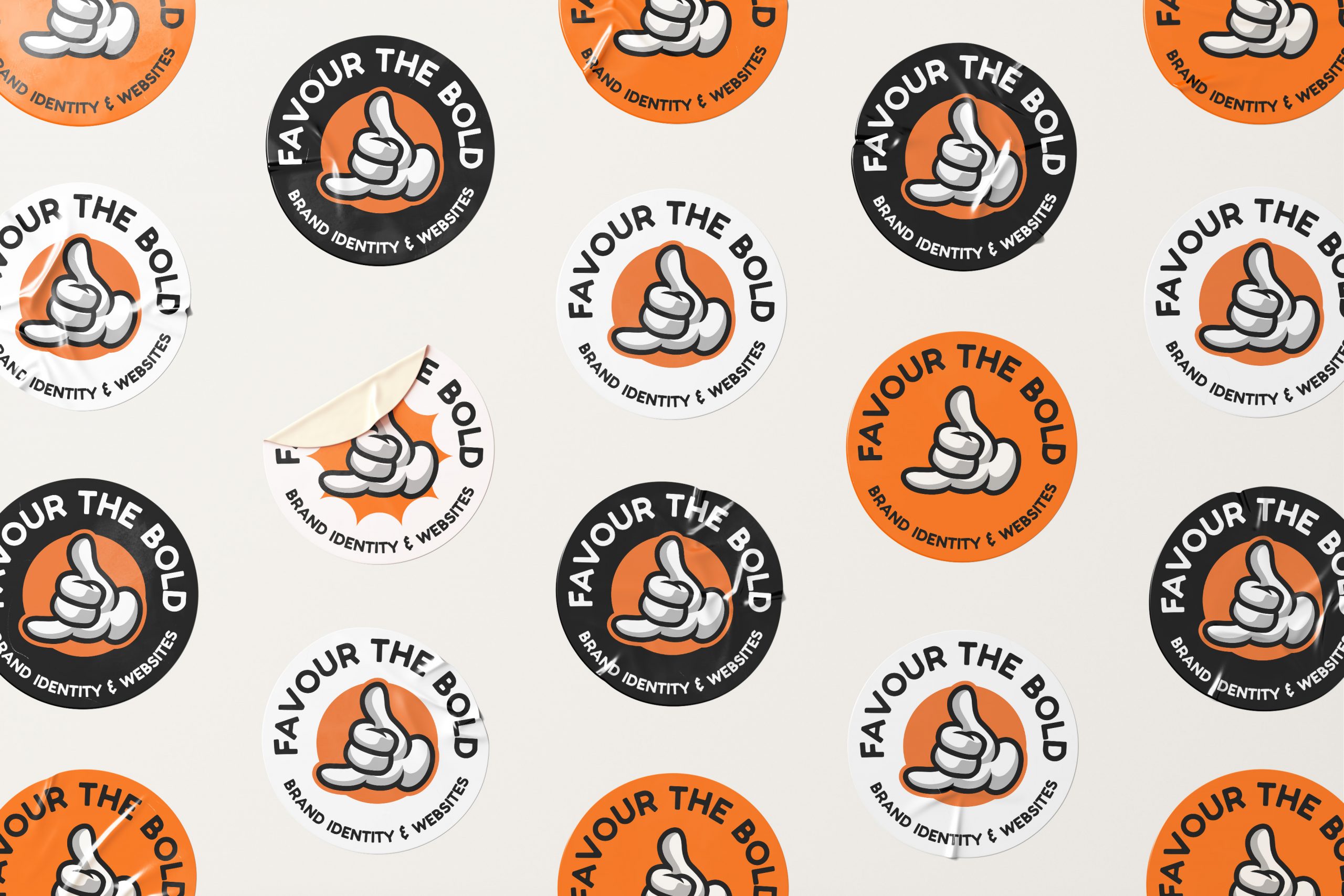



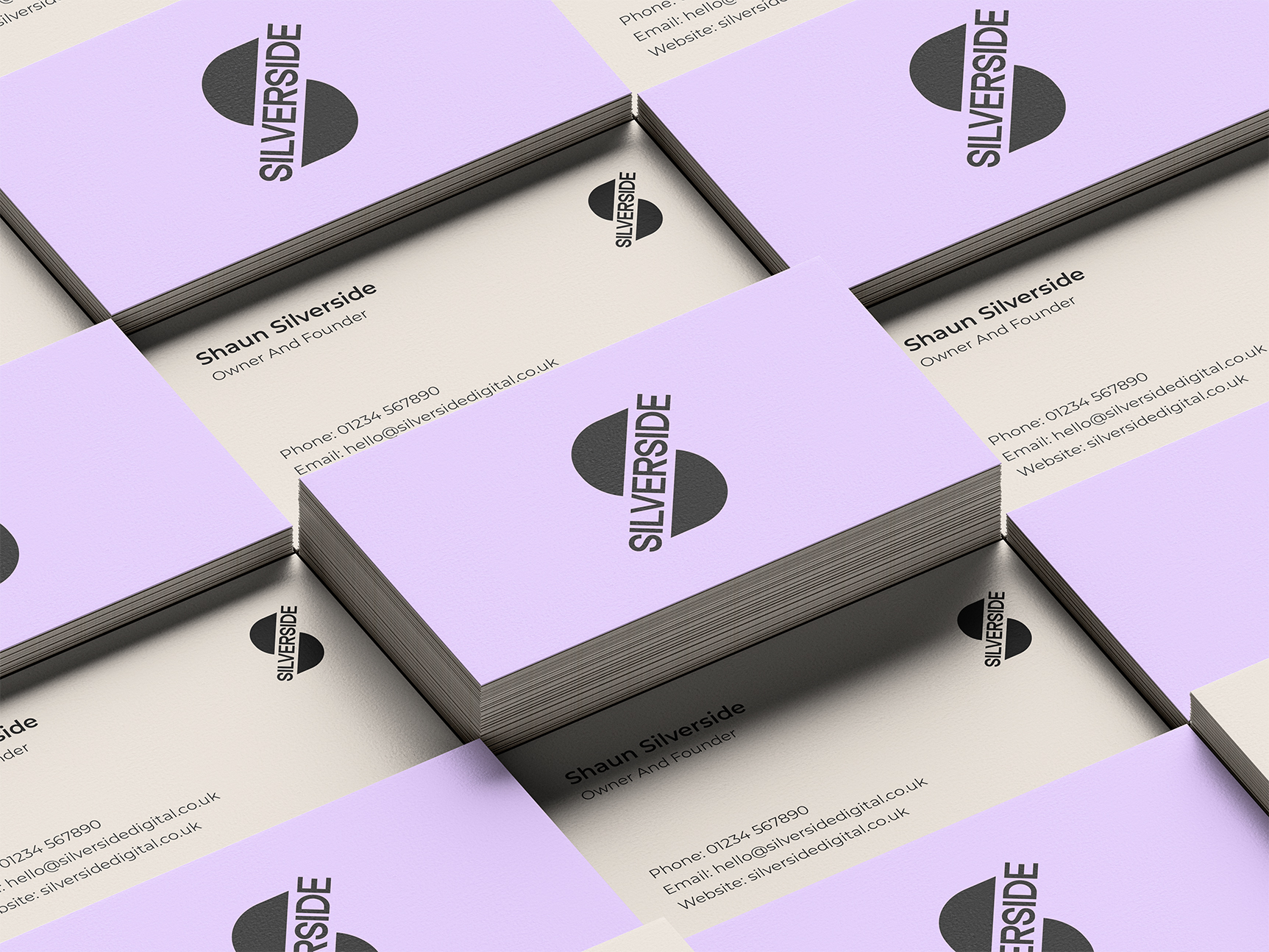
Brands evolve, but identities don’t always keep up. As businesses grow, shift focus or expand their offering, their brand can begin to feel out of step with who they are and where they’re going. This creates a disconnect between perception and reality, which can quietly undermine trust and credibility.
Rebranding helps to:
As a business matures, its brand should reflect that progress. What worked at launch may no longer represent the scale, confidence or capability of the company today. Rebranding allows the identity to evolve alongside the business, ensuring it feels appropriate for its current stage.
Visual styles age, often faster than expected. Outdated logos, colour palettes or layouts can make a business feel behind the times, even if the service itself is strong. A considered rebrand updates these elements while maintaining recognition, helping the brand feel current and relevant.
Over time, brands often accumulate inconsistencies. From different logos, colours, fonts or messaging used across platforms. Rebranding brings everything back into alignment, creating a cohesive system that improves recognition and professionalism across every touchpoint.
Markets change, and so do audiences. Rebranding can help clarify positioning, differentiate from competitors and communicate a clearer value proposition. It ensures the brand is aligned with the audience it wants to attract, not just the one it started with.
Rebranding often combines Brand Strategy, Logo Design, and Brand Identity Design into a cohesive process, ensuring changes are guided by clarity rather than aesthetics alone.
It begins with
Brand Strategy,
where positioning, purpose and direction are defined, providing a clear foundation for decision-making.
From there,
Logo Design
evolves to reflect that strategy visually, ensuring the brand remains recognisable while moving forward.
This is then extended through
Brand Identity,
creating a consistent visual system that can be applied confidently across every touchpoint.
When these elements work together, rebranding becomes a structured, intentional evolution rather than a surface-level refresh, its about strengthening the brand as a whole rather than just changing how it looks.
Strategic clarity ensures every change is grounded in purpose. We define direction, positioning and intent first, so design decisions are guided by meaning rather than trends or assumptions.
Brand recognition is protected by retaining the elements that already resonate. A rebrand should feel like a natural evolution, not a complete reset that confuses existing audiences.
Future scalability ensures the brand can grow without constant rework. We design systems that remain flexible and relevant as the business evolves, expands or adapts.
A rebrand realigns how a business presents itself with where it is today and where it’s heading next, improving clarity, consistency and confidence across all touchpoints. Rather than focusing purely on visuals, a rebrand brings together strategy, identity and messaging so the brand accurately reflects the business’s direction and ambition. This process often combines Brand Strategy, Logo Design and Brand Identity Design, ensuring the brand evolves intentionally rather than feeling like a surface-level change.
Rebranding is needed when a brand no longer reflects the reality of the business. As companies grow, refine their offer or target new audiences, their identity can quickly become outdated or inconsistent, creating a disconnect between perception and reality. Rebranding helps restore alignment, ensuring the brand feels relevant, credible and competitive while supporting future growth as part of a wider approach.
The main purpose of branding is to create clarity, recognition and trust by helping people understand who a business is, what it stands for and why it’s different. Strong branding supports consistency across channels, reinforces credibility and builds familiarity over time, often before any direct interaction takes place. Effective branding is shaped by clear Brand Strategy and brought to life through Brand Identity Design, turning the brand into a long-term asset rather than a one-off exercise.
There’s no fixed rule, but most brands benefit from a refresh every 3 to 10 years, depending on how quickly the business or market is changing. A brand refresh is about refinement rather than reinvention, helping visuals and messaging stay relevant as the business evolves. It’s often triggered when a brand begins to feel dated or inconsistent.
Rebranding is most effective when it supports real change. It’s not about reinventing a business without reason, but about ensuring the brand reflects where the company is heading and who it needs to speak to next.
Businesses evolving their offer often find their existing brand no longer represents what they do today. Rebranding helps bring clarity and alignment as services expand, refine or shift focus.
Brands entering new markets need to ensure their identity resonates with new audiences. Rebranding supports repositioning, helping businesses communicate relevance, confidence and credibility in unfamiliar spaces.
Companies with outdated identities can struggle to compete, even if their service is strong. Rebranding modernises visuals and messaging, ensuring the brand reflects current expectations rather than past perceptions.
A rebrand should feel intentional, not disruptive. When done properly, it strengthens what already works while refining the elements that no longer reflect the business. The goal isn’t to start again, but to create clarity, consistency and confidence as the brand moves forward.
Rebranding works best as part of a wider, considered approach to branding, one that aligns strategy, visuals and communication rather than treating change as a surface-level exercise. When these elements work together, the result is a brand that feels evolved, not unfamiliar.
Explore how rebranding fits into our wider Brand & Logo Design services to see how each element connects and supports long-term growth.

Company number 16354961
Copyright © 2025 Favour The Bold. All rights reserved.
 Optimized by Seraphinite Accelerator