
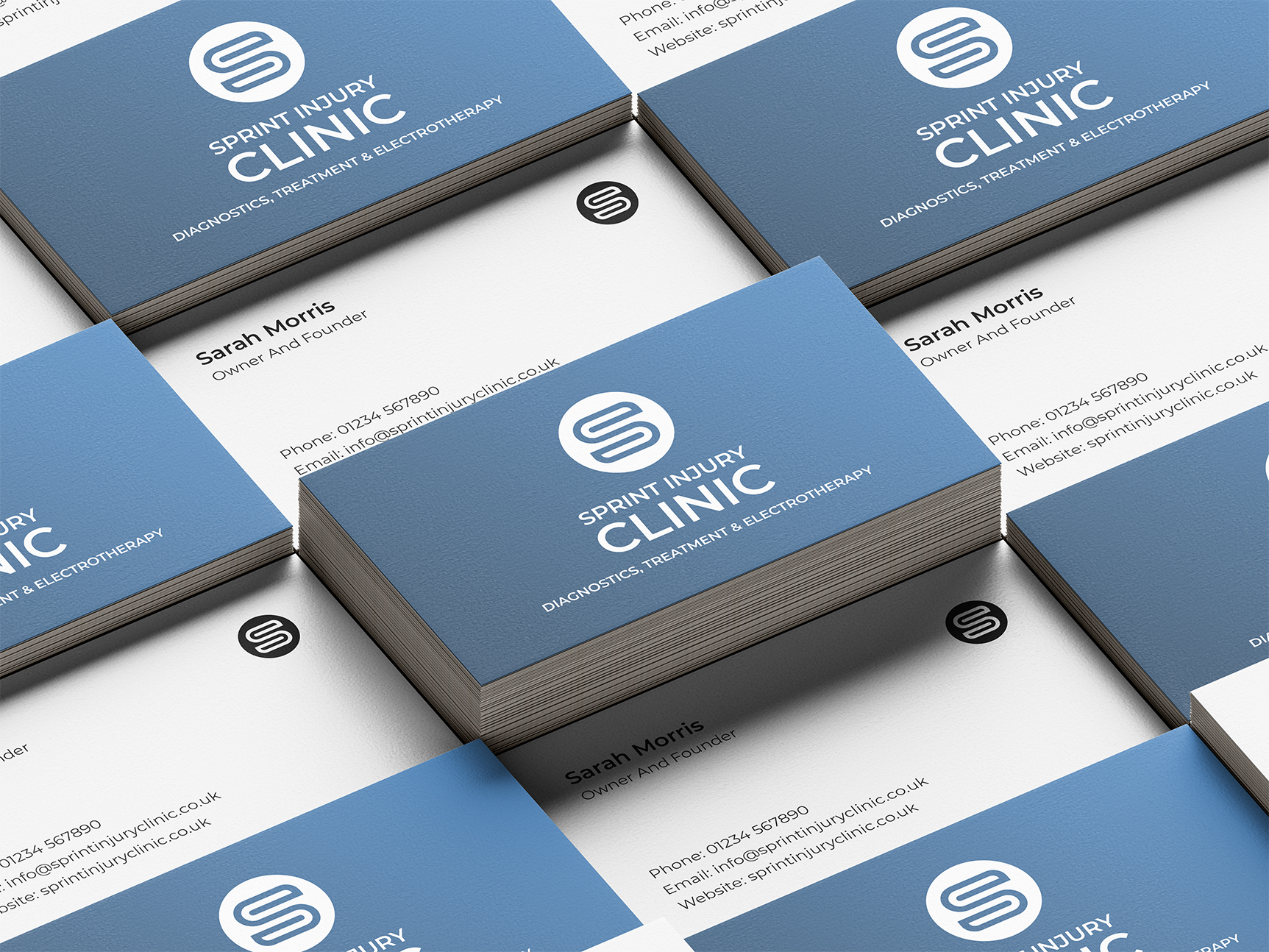
Ask ten founders what branding” means and you will hear ten answers: a logo, colours and fonts, or the story on the website. The confusion is understandable — and costly when it leads you to buy the wrong thing at the wrong time.
This guide is for UK startups and growing SMEs who want a clear decision, not jargon. We unpack brand strategy vs brand identity, show where a logo sits, and help you choose what to invest in now so your brand feels bold, consistent and built to grow.
Quick decision framework: when you need which
Use this before you brief a designer or agency.
You need brand strategy when:
- You cannot explain, in one clear sentence, who you are for and why you are different
- Your offer, market or audience has changed and the old story no longer fits
- Marketing feels scattered because every decision is made from scratch
- You are about to invest in a website, rebrand or campaign and want the thinking sorted first
You need brand identity when:
- Strategy (or a solid working version) is clear, but your look and voice are inconsistent
- Website, social, proposals and sales decks feel like different companies
- You are scaling and need a reusable visual and verbal system, not one-off designs
- You want recognition and trust across every touchpoint, not just a nicer mark
You need a logo when:
- You are launching and need a distinctive, scalable mark to start trading with confidence
- Your existing logo is weak, dated or fails at small sizes (app icons, favicons, social)
- Strategy and wider identity are underway (or already defined) and the mark needs to anchor them
Simple rule: strategy decides what the brand should mean. Identity expresses that meaning visually and verbally. The logo is one powerful piece of that identity — not the whole brand.
Brand strategy: the thinking that guides everything
Brand strategy is the foundation. It is not a mood board or a colour palette. It is the set of decisions that answer: who are we, who are we for, what do we promise, and how do we want to be remembered?
UK small-business guidance from sources such as Enterprise Nation and Business.gov.uk consistently puts this thinking first: clarify purpose, values, audience and differentiation before you design how the brand looks and sounds. Without that order, design becomes guesswork — and guesswork rarely survives contact with a real market.
A practical brand strategy for an SME usually covers:
- Purpose and values — why the business exists beyond making money, and the principles that shape decisions
- Audience — who you most need to reach, what they care about, and how they choose
- Positioning — how you sit in the market relative to competitors, and the space you can own
- Promise and differentiation — the value people can expect, and the reason to choose you
- Personality and tone — how the brand should feel and sound in conversation
- Messaging direction — the core narrative and priorities that keep communications aligned
When strategy is clear, later choices get easier. Website copy stops sounding generic. Colour and type have a reason. Sales conversations stay on message. You stop reinventing the brand with every post.
If your business is new, growing fast, or struggling with focus, brand strategy is often the highest-leverage place to start. It turns ambition into a usable brief for you, your team, and anyone designing or writing for you.
Brand identity: the system people see and hear
Brand identity is strategy made visible and audible. Enterprise Nation puts it simply: it is what you look like and sound like your strategy expressed so people can recognise it.
Identity is a system, not a single asset. For most growing SMEs it includes:
- Logo and logo variations (primary, secondary, icon, lock-ups)
- Colour palette with practical usage rules
- Typography for digital and print
- Imagery direction (photography, illustration, graphic motifs)
- Layout principles and supporting elements
- Voice and tone (how you write and speak)
- Key messages where needed
- Guidelines so the system stays consistent as more people use it
This is where logo vs brand identity becomes clear. A logo identifies. An identity communicates. The logo may be the front door; the identity is the whole house.
A strong identity does three commercial jobs for UK SMEs:
- Recognition — people spot you faster across web, social, packs and proposals
- Trust consistency signals professionalism before you have spoken
- Efficiency — teams and freelancers stop guessing; templates and rules speed delivery
If your logo is fine but everything else feels mismatched, you do not need another logo first — you need brand identity that pulls visuals and voice into one coherent system.
Logo: the mark that anchors recognition
A logo is a distinctive visual mark wordmark, symbol, monogram or combination — designed for recognition at a glance. It should work on a website header, a van, a LinkedIn avatar and a favicon without falling apart.
What a logo is: a memorable, scalable identifier; an anchor for the wider visual system; a shorthand that earns meaning through consistent use.
What a logo is not: your entire brand; a substitute for positioning or messaging; proof that branding” is done.
Many SMEs commission a logo because it feels concrete and affordable. That can be the right first visual step — especially at launch — provided you do not mistake the mark for strategy. A beautiful logo on a vague offer still leaves customers unsure. A clear strategy with a weak logo still leaves you hard to remember.
The best logos are designed in context: audience, category cues, personality, and how the mark will live alongside colour, type and layout. That is why logo design works hardest inside a wider identity, not as an isolated download from a generator.
How they work together
Think in sequence, not in silos.
- Strategy defines meaning audience, positioning, promise, personality
- Identity translates meaning into a visual and verbal system
- Logo becomes the recognisable centre of that system
- Guidelines and applications keep the brand consistent on website, social, sales and ops
Skip strategy and identity becomes decorative. Skip identity and the logo has nowhere to live. Skip a strong logo and the system lacks a sharp point of recognition. Done in order, each layer multiplies the others.
In practice for a UK SME: clarify positioning and messaging in a short strategy session; design identity (including logo) against that brief; apply the system to website, templates and social; document rules so growth does not create brand drift.
You do not always need a huge budget on day one. You do need the right order. A lean strategy plus a focused identity beats a polished logo with no story behind it.
See how these pieces sit across our branding and digital services.
Common mistakes SMEs make
1. Starting with the logo and hoping meaning appears later Design without strategy often produces something pretty and interchangeable. Competitors look similar. Messaging stays vague. You rebrand sooner than planned.
2. Treating brand identity as “colours and a font” Without voice, messaging and application rules, the brand collapses the moment someone else writes a LinkedIn post or builds a slide deck.
3. Buying a full identity when the offer is still unclear If you cannot yet say who you serve and why you win, pause the polish. Sort the thinking first, then invest in design that will last.
4. Inconsistency across channels Mismatched colours and tone across website, email and social — customers notice, even if they cannot name why trust feels shaky.
5. Rebranding for fashion instead of fit A refresh is smart when the business has outgrown the look. A full rebrand is smart when positioning or audience has genuinely shifted. Confusing the two wastes money.
6. Assuming branding is only for big brands UK startups and SMEs compete on clarity as much as budget. A focused brand helps you punch above your weight in search, sales and recruiting.
How Favour The Bold helps
Favour The Bold is a UK branding and web agency for SMEs that prefer clarity over fluff. We favour work that is practical, distinctive and ready for real use — not decks that look clever and die in a shared drive.
Depending on where you are, that might mean:
- Sharpening brand strategy so positioning, audience and messaging are usable day to day
- Building a full brand identity — visual system, voice and consistency across touchpoints
- Crafting a scalable logo that anchors the system rather than floating alone
We connect strategy to identity to digital presence, so your brand does not stop at a PDF. The aim is simple: help growing businesses show up with confidence — boldly, but with substance.
FAQ
Do I need brand strategy before a logo?
Ideally yes — even a lightweight version. You do not need a 40-page document, but you do need clear answers on audience, positioning and personality. Those answers make logo and identity decisions faster and more distinctive. If you already have a working logo, strategy can still refine messaging and guide a future identity refresh.
What is the difference between brand identity and a logo?
A logo is one visual mark. Brand identity is the wider system: logo, colour, type, imagery, layout, voice and the rules that keep everything consistent. Confusing the two is why many SMEs under-invest in branding and over-expect what a single mark can do.
Can a startup start with just a logo?
Yes, if you need to launch quickly and already have a clear offer and audience. Treat the logo as a first step, then expand into identity and guidelines as you add channels. Even a brief strategy pass reduces the chance you scrap the logo six months later.
How do I know if I need a rebrand or a refresh?
A refresh updates visuals while keeping core positioning. A rebrand realigns strategy, identity and messaging with where the business is now and where it is going. Dated design? Refresh. Unclear offer, new audience or lost differentiation? Start with strategy.
Ready to choose with confidence?
If you are stuck between brand strategy, brand identity and logo design, you do not have to guess. Tell us where the business is today launch, growth or reset — and we will help you pick the right next step, not the biggest package.
Get in touch with Favour The Bold and let’s build a brand that looks bold because it is clear.